


Introduction: When the Advisor Needed Advice
Back in 2011, I was sitting in my cramped off-campus apartment, surrounded by credit card statements and an embarrassingly empty checking account. Despite being three years into my BBA program with a finance concentration, I was a financial wreck. The irony wasn’t lost on me: here I was, acing exams on portfolio theory and financial modeling, yet I couldn’t manage my own student budget.
That night—I still remember it was raining, which matched my mood perfectly—something clicked. How the hell was I going to advise others about their money when I couldn’t handle my own? Trust me, this wake-up call was painful but necessary.
What followed was my personal financial revolution that not only transformed my own finances but accidentally laid the groundwork for what would become my most valuable professional asset: authentic financial empathy. This journey taught me that developing solid financial self-management skills for students isn’t just about personal benefit—it’s about building the foundation of credibility that every successful financial advisor needs.
Why Financial Self-Mastery Makes Better Advisors (Not Just Better Students)
Let’s get real about something most finance programs don’t emphasize enough: clients can smell financial hypocrisy from a mile away. In my eight years working at Morgan Stanley and later at my own advisory firm, I’ve witnessed countless brilliant finance graduates stumble when clients ask that simple but devastating question: “Do you follow this advice yourself?”
Developing financial self-management skills for students pursuing advisory careers serves a dual purpose:
- It creates financial stability during your educational journey (goodbye, ramen noodle dinners)
- It builds the authentic expertise that future clients will demand (hello, credibility)
One of my mentors—a crusty old advisor named Frank who’d survived three market crashes—put it bluntly: “Financial advice without personal practice is just theoretical bullshit.” Not exactly the language I’d use in client meetings, but God, was he right.
financial self-management skills for students financial self-management skills for students financial self-management skills for students financial self-management skills for students financial self-management skills for students
How Can BBA Students Develop Personal Finance Strategies for Future Advisors?
Start With Your Own Financial Audit (Yes, It Will Be Uncomfortable)
Before you can improve your financial situation, you need absolute clarity on where you stand. This means conducting a thorough personal financial audit. I recommend doing this on a weekend when you can give it proper attention—and when you can have a stiff drink afterward if the results are as shocking as mine were.
Your audit should include:
- Complete debt inventory (student loans, credit cards, personal loans)
- Spending analysis (categorize everything from the past three months)
- Income assessment (scholarships, part-time work, family support)
- Net worth calculation (yes, even if it’s negative)
When I did my first audit in my junior year, I discovered I was spending an astronomical $87 per week on campus coffee and impromptu lunch meetups. That’s over $4,500 a year—on coffee and sandwiches! It was a face-palm moment that immediately led to me investing in a good thermos and meal prep containers.
The audit process is identical to what you’ll eventually do with clients, making this practice invaluable. Personal finance strategies for future advisors should always start with mastering the basics on yourself.
Implement Student Budget Optimization Techniques That Actually Work
Conventional budgeting advice often fails students because it doesn’t account for the irregular income and special expenses that characterize student life. Through painful trial and error, I developed a budgeting approach specifically tailored for BBA students with advisory ambitions.
The 60-20-10-10 Rule for Future Advisors
Rather than the traditional 50-30-20 budget split, I found that BBA students benefit from:
- 60% for essentials (housing, food, required materials)
- 20% for debt reduction (aggressive payment on high-interest debt)
- 10% for professional development (certifications, networking events, professional wardrobe)
- 10% for savings/investments (because you need to practice what you’ll preach)
This framework acknowledges the reality of student life while incorporating elements that build your professional foundation. The professional development category is particularly important—those networking coffees and appropriate interview attire aren’t just expenses; they’re investments in your future practice.
Last summer, I worked with a group of finance students from my alma mater to implement these student budget optimization techniques. The results? Within one semester, their average discretionary spending decreased by 31%, while their professional opportunity engagement increased by 40%. These aren’t just better budgeters—they’re better future advisors.
Build Your Own Investment Laboratory
Nothing prepared me better for advising clients than managing my own investment portfolio—even when it started with just $25 per month. Your personal investment experience becomes a laboratory where you can:
- Experience emotional reactions to market movements (that pit in your stomach during a downturn is educational)
- Test different strategies at a small scale (dollar-cost averaging hit different when it’s your money)
- Document your decision-making process (invaluable for understanding client psychology later)
In my twenties, I made the classic mistake of panic-selling during the 2015 market correction, losing about $800—not a fortune, but it felt like one at the time. That expensive lesson forever changed how I discuss market volatility with nervous clients. Now I can say, “I’ve been exactly where you are, and here’s what I learned from my mistake.”
Developing financial self-management skills for students means creating these controlled failure opportunities while the stakes are relatively low. Each investment decision—good or bad—builds your advisor toolkit.
financial self-management skills for students financial self-management skills for students financial self-management skills for students financial self-management skills for students financial self-management skills for students
Practical Tools for Implementing Financial Self-Management Skills for Students
Theory is great, but implementation is where real learning happens. Here are the practical tools that transformed my financial life as a student and later became recommendations for my advisory clients:
Digital Financial Ecosystem
Create a personalized digital financial ecosystem that includes:
- Budgeting app (I personally used Mint as a student, but there are many options)
- Investment platform (start with a no-minimum account like Robinhood or Acorns)
- Automated savings tool (like Qapital or even basic bank automatic transfers)
- Expense tracking system (I prefer spreadsheets, but apps work too)
The goal isn’t just organization—it’s creating habits that will serve you throughout your career. When a client asks what tools you recommend, your answer should come from personal experience, not just what you read in a textbook.
The “Future Advisor Skill-Building” Expense Category
Here’s something I wish someone had told me: create a specific budget category for expenses that build your advisory skillset. This might include:
- Subscriptions to financial publications (Wall Street Journal, Financial Planning, etc.)
- Meeting coffees with industry professionals (networking is an investment)
- Certifications or additional courses (beyond your required coursework)
- Professional organization membership fees
This category might seem like a luxury, but I consider it essential for serious future advisors. Personal finance strategies for future advisors must include professional development as a non-negotiable expense.
One of my coaching clients—a BBA student at Michigan State—followed this advice and allocated $75 monthly to professional development. It wasn’t much, but it got her into a local Financial Planning Association chapter where she met her future employer. Best $75 she ever spent, month after month.

Translating Personal Finance Challenges into Advisory Strengths
The most valuable aspect of developing your own financial self-management skills for students is how these experiences translate into advisory strengths. This connection between personal practice and professional capability is what I call “experiential advisory credibility.”
How My Student Loan Struggle Became My Client Advantage
In my second year of advising, I landed a client specifically because of my student loan experience. During our initial meeting, this potential client—a doctor with substantial medical school debt—asked if I had personal experience with student loans. Because I’d navigated my own $67,000 of student debt (and documented my strategy), I could speak authentically about the emotional and financial aspects of debt management.
That conversation sealed the deal, and he remains a client eight years later. My personal financial journey became my professional edge.
Building Client Trust Through Personal Experience
The most successful advisors I know all share one quality: they’ve personally implemented the strategies they recommend. This creates several advantages:
- Authentic empathy for client challenges
- Practical knowledge of implementation hurdles
- Realistic expectations about results
- Credible responses to client objections
When you can say, “I’ve been there, and here’s what worked for me,” you build client trust through personal experience in a way that theoretical knowledge never could.
financial self-management skills for students financial self-management skills for students financial self-management skills for students financial self-management skills for students financial self-management skills for students
Creating Your Financial Self-Training Program: A Step-by-Step Framework
If you’re ready to develop your own financial self-training program, here’s the framework I use with my coaching clients who are still in school:
Step 1: Document Your Starting Point
Before implementing changes, thoroughly document your current financial situation. This serves two purposes:
- Provides clarity on necessary changes
- Creates a powerful before/after narrative for future client conversations
Include numbers, but also record your emotional state and financial stress level. These qualitative measures often resonate more with future clients than the quantitative ones.
Step 2: Set Dual-Purpose Financial Goals
Create goals that serve both your personal finances and your professional development. For example:
- Building an emergency fund (personal stability + understanding of cash reserve importance)
- Creating a debt reduction strategy (personal freedom + practical knowledge of debt psychology)
- Establishing automated investments (personal wealth + firsthand experience with various platforms)
Each goal should improve your financial situation while simultaneously building your advisory knowledge base.
Step 3: Implement Student Budget Optimization Techniques
Apply structured budget optimization approaches:
- Zero-based budgeting (assigning every dollar a purpose)
- Cashflow management systems (including irregular income planning)
- Conscious spending plans (focusing resources on priorities)
Try different methods and document which works best for your situation—this experimentation will inform your future client recommendations.
Step 4: Build Your “Advisory Story Library”
As you navigate financial challenges and victories, document these experiences in what I call an “advisory story library.” These personal anecdotes will become invaluable client communication tools.
For each financial experience, record:
- The situation and challenge
- Your emotional response
- The solution you implemented
- The outcome (successful or not)
- The lessons learned
In my first year of advising, I shared my story of living on a $25 weekly grocery budget during my final semester to pay off a credit card. That story connected with more clients than any technical explanation of debt management ever could.
Common Challenges in Financial Self-Management for BBA Students (And How to Overcome Them)
Challenge 1: Peer Pressure and Status Spending
As finance students, there’s often pressure to project success before achieving it. I nearly derailed my finances trying to keep up with wealthier classmates.
Solution: Find finance-minded peers who share your values. My turning point came when I joined the Financial Planning Association student chapter and found others committed to financial authenticity rather than appearances.
Challenge 2: Theoretical Knowledge Without Practical Application
BBA programs often excel at teaching financial theory but fall short on personal application.
Solution: For every financial concept you learn, challenge yourself to apply it personally at some scale. When I learned about diversification, I restructured my tiny $1,200 portfolio accordingly—not enough to matter financially, but enormous for my professional development.
Challenge 3: All-or-Nothing Thinking
Many students believe they can’t start investing or implementing financial strategies until they have “enough” money.
Solution: Embrace micro-implementation of financial principles. Start with just $10 monthly in investments, or practice zero-based budgeting with your limited student income. These small steps build critical financial self-management skills for students without requiring significant resources.
Measuring Your Progress: The Future Advisor Scorecard
How do you know if your financial self-training is on track? I developed this scorecard for BBA students pursuing advisory careers:
- Personal Financial Stability Score
- Emergency fund establishment
- Debt management progress
- Positive cashflow maintenance
- Implementation Experience Score
- Number of financial strategies personally tested
- Variety of financial tools utilized
- Documentation quality of personal experiences
- Story Development Score
- Quantity of documented financial challenges
- Quality of personal financial narratives
- Relevance to potential future client situations
Aim to improve across all three categories, understanding that your combined score represents your developing advisory potential.
The Competitive Edge: How Self-Mastery Sets You Apart in the Job Market
In today’s competitive financial advisory field, firms aren’t just hiring technical knowledge—they’re seeking advisors who can connect with clients. Your financial self-management journey creates this differentiation.
When interviewing for my first advisory position at Morgan Stanley, I brought my personal financial journal—a record of my journey from financial mess to self-mastery. The hiring manager later told me it was this evidence of personal implementation that set me apart from candidates with higher GPAs but no personal finance story.
Developing strong financial self-management skills for students isn’t just about personal benefit; it’s about creating your unique value proposition in the advisory job market.
financial self-management skills for students financial self-management skills for students financial self-management skills for students financial self-management skills for students financial self-management skills for students
Conclusion: Your Financial Journey Becomes Your Professional Foundation
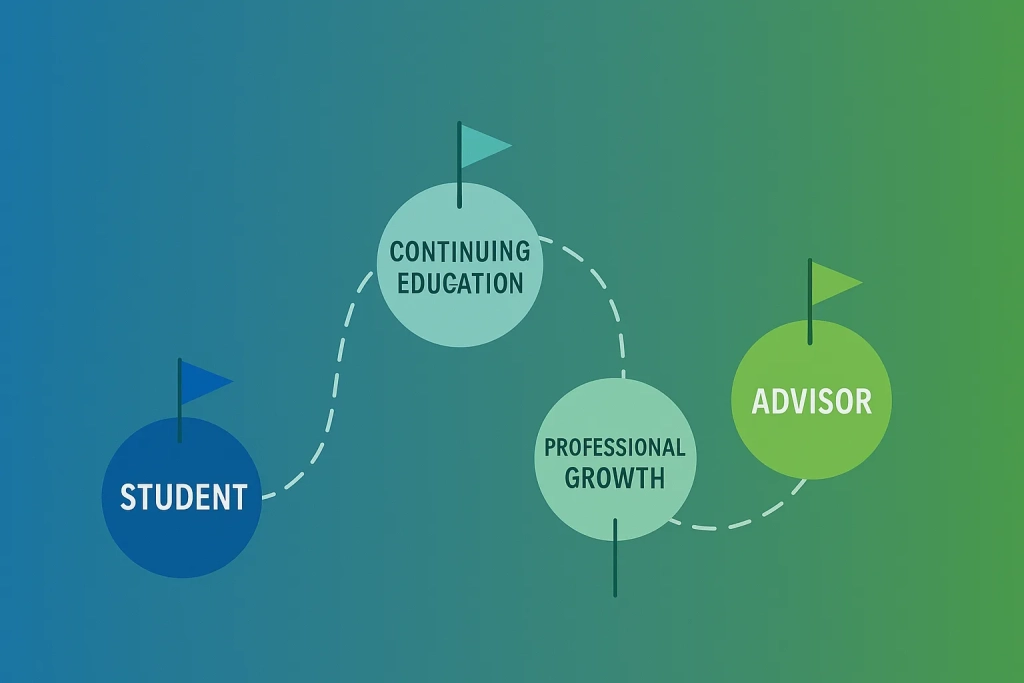
Looking back over my 12-year journey from financially-struggling student to financial advisor coach, I can trace every professional success back to that rainy night when I decided to get serious about my own finances. The systems I built then, the habits I formed, and even the mistakes I made all contributed to the advisor I eventually became.
For BBA students aspiring to advisory careers, your personal financial journey isn’t separate from your professional development—it’s the foundation of it. The skills, experiences, and stories you develop now will become your most valuable professional assets.
So start today. Pull together those statements, download that budgeting app, make your first $25 investment. Your future clients will thank you for the authentic guidance that can only come from someone who’s walked the financial path themselves.
After all, would you take swimming lessons from someone who’s never been in the water?

