
BIM Syllabus: A Comprehensive Guide to Understanding the Course Structure
Introduction to BIM
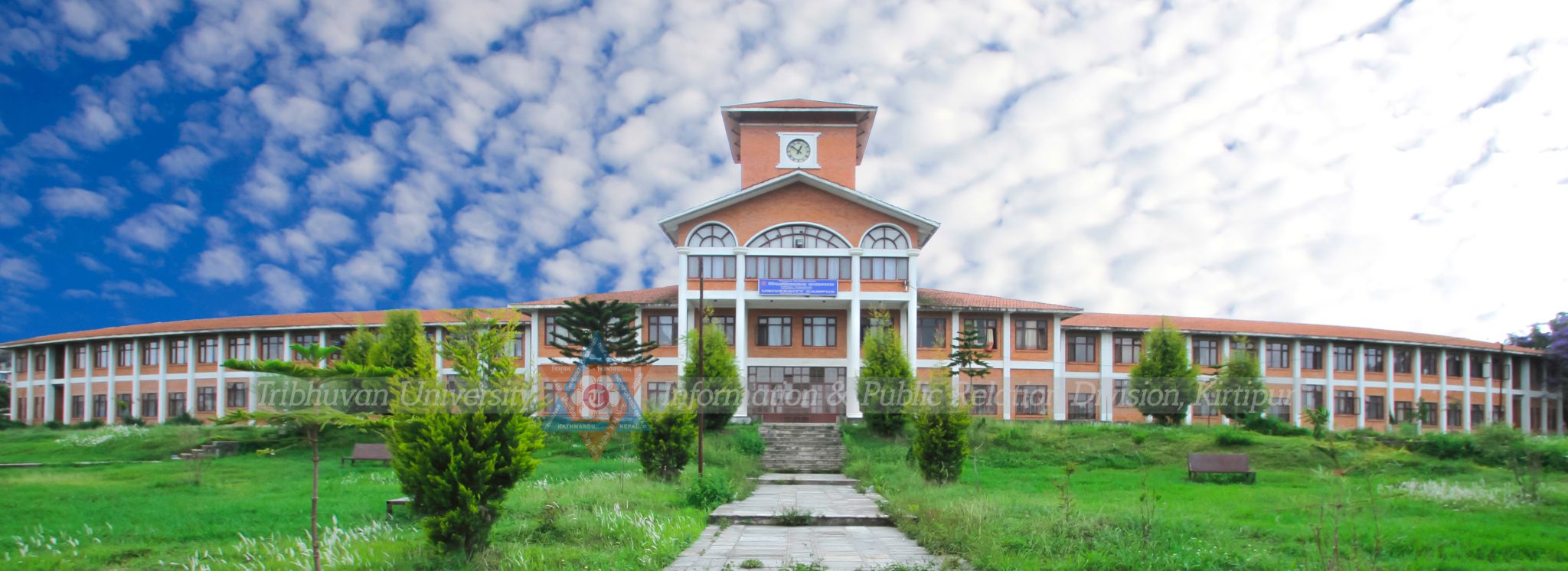
The Bachelor of Information Management is a four-year degree offered by Tribhuvan University. It aims to impart expertise in the fields of Management Information and Communication Systems. This curriculum aims to enhance proficiency in object-oriented software design methodologies and data management systems. BIM covers the conceptual and practical aspects of teaching and learning through the use of case studies, guest lectures, research work, assignments, project work, and term papers. TU, BIM offers a comprehensive understanding of software trends for effectively managing an Organization’s information.
Understanding BIM Syllabus at TU
Tribhuvan University’s BIM Syllabus offers a comprehensive curriculum designed to provide students with a deep understanding of Building Information Modeling (BIM) concepts and applications. The meticulously crafted BIM Curriculum covers a wide range of topics, including BIM fundamentals, parametric modeling, collaboration and coordination, construction documentation, and project management using BIM. Students will gain hands-on experience with industry-leading BIM Software, enabling them to develop practical skills in creating and managing digital models, Web Development, generating construction drawings, and streamlining construction processes. The syllabus also emphasizes the importance of interdisciplinary collaboration, equipping students with the knowledge to effectively communicate and coordinate with various stakeholders throughout the building lifecycle with proper use of Softwares.
With a perfect blend of theoretical knowledge and practical application, Tribhuvan University’s BIM Degree prepares graduates for successful careers in the rapidly evolving construction industry. The BIM Curriculum at TU is designed to equip students with the necessary knowledge and skills to excel in the field of building information modeling. This course encompasses a wide range of topics, from fundamental principles to advanced techniques, ensuring that students receive a well-rounded education in BIM.
Practical Applications and Skills Development
One of the key highlights of the BIM Curriculum at TU is its focus on practical applications and skills development. Students will have the opportunity to work on real-world projects, applying their knowledge to solve complex problems and enhance their critical thinking abilities.
By integrating hands-on experience with theoretical concepts, students will be able to develop a strong foundation in BIM and prepare themselves for a successful career in the industry.